Menu

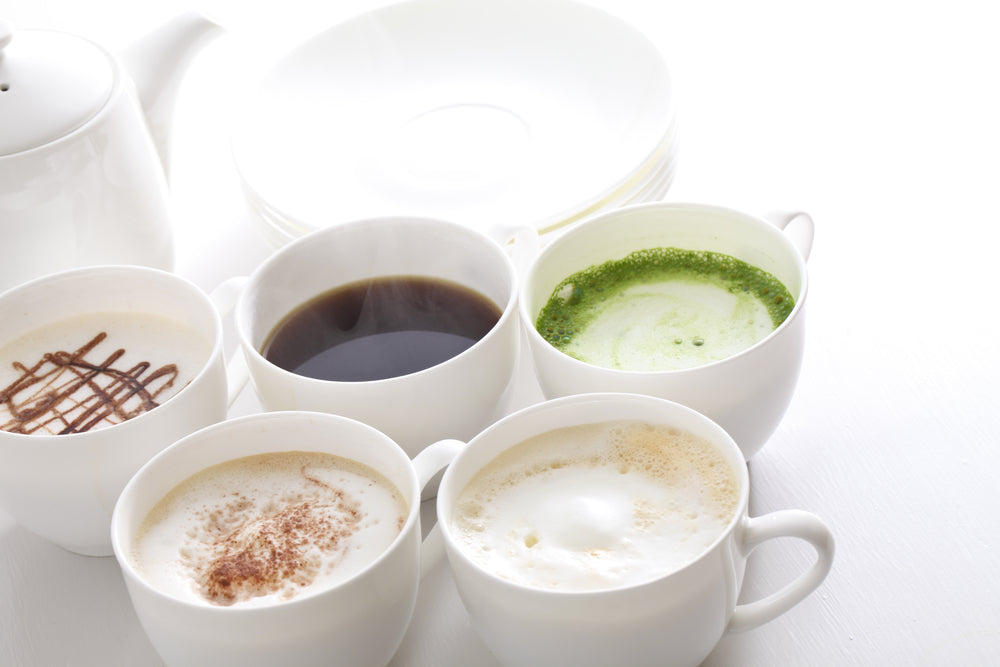

Coffee Drink Recipes: How to Make Café-Style Coffee Drinks at Home
February 06, 2026 8 min read
Cafe-Style Coffee Drinks at Home
There is a reason the latte you make at home sometimes doesn’t taste quite like the one you get at your favorite coffee shop. It usually isn’t one big secret. It’s a lot of little things done right.
Good coffee. The right grind. Fresh water. A proper extraction. Milk that has been steamed instead of boiled. And, probably most important, starting with coffee that still tastes like coffee after you add milk, ice or chocolate.
At Weaver’s Coffee & Tea, we’ve spent years roasting coffee and working in coffee shops. We cup coffee, roast coffee and serve coffee every day, and one thing you learn pretty quickly behind a coffee bar is that you can’t hide the coffee. A beautiful layer of foam won’t fix a bad espresso, and adding more syrup isn’t going to make weak coffee taste better.
If you want to make better café-style coffee drinks at home, start with the coffee and work from there.
Start With Coffee You Actually Like
Before worrying about milk frothers, espresso machines or latte glasses, make a cup of coffee and taste it.
That sounds obvious, but people sometimes spend hundreds or even thousands of dollars on equipment and forget that the coffee going into the machine is still the most important ingredient.
For coffee shop-style drinks, we like coffee with enough flavor and body to hold its own. Once you add six ounces of milk to espresso or pour coffee over a glass full of ice, everything becomes more diluted. You still want to taste the coffee.
A medium roast coffee can be a nice place to start if you like balance and a little more sweetness in the cup. If you want the coffee to come through more noticeably in a latte or cappuccino, try a medium-dark roast coffee. And if you enjoy a deeper, bolder roast character, particularly with milk or chocolate, explore our dark roast coffee.
There isn’t one roast that everybody should drink. That's part of the fun. Start with the way you like your coffee to taste and work backward from there.
Why Does Coffee Shop Coffee Taste Different?
When we make a drink in a coffee shop, we aren't just pushing a button and hoping for the best.
The coffee has been ground for the brewing method. The amount of coffee is measured. Water temperature matters. Espresso extraction matters. Milk texture matters. Even the size of the cup changes the balance of the drink.
At home, people tend to focus on the recipe: one shot of this, six ounces of that, two pumps of something else.
If your latte tastes mostly like warm milk, adding another flavor isn't the answer. You probably need a stronger coffee base, less milk or a better extraction.
If your iced coffee tastes wonderful for the first two minutes and watery five minutes later, the ice is telling you something. Brew the coffee with enough strength to account for dilution, or try coffee ice cubes.
If your cappuccino has a mountain of stiff bubbles sitting on top, you've made foam, but not necessarily the silky milk texture you're looking for.
Get the Coffee Strong Enough for the Drink
This is one of the easiest ways to improve coffee drinks at home. Coffee has to compete with whatever you put into the glass. Milk softens coffee. Ice dilutes it. Chocolate can dominate it. Sweet syrups can cover it completely.
For a latte, cappuccino, mocha or macchiato, espresso gives you a concentrated coffee base that can stand up to the other ingredients. If you're learning espresso, our How to Make Espresso at Home guide goes much deeper into grind, dose and extraction.
If you don't have an espresso machine, don't worry. You can still make very good coffee drinks at home.
A moka pot or another concentrated brewing method can give you a strong coffee base for milk drinks. Strong brewed coffee can also work, particularly for drinks like café au lait and iced coffee.
It isn't technically espresso, and we don't think there's any reason to pretend that it is. It can still make a delicious drink.
Learn How to Work With Milk
You can tell a lot about a coffee shop by the milk in its drinks.
For a latte, you want milk that is smooth and silky rather than covered with large bubbles. A cappuccino traditionally has more foam and feels lighter in the cup. A flat white uses finely textured milk that integrates closely with the espresso.
At home, the biggest mistake is often simply overheating the milk.
You want the milk hot, but you don't need to cook it. If you're steaming with an espresso machine, introduce air near the beginning and then work on creating a smooth rolling motion in the pitcher. The finished milk should look glossy rather than bubbly.
No steam wand?
Warm the milk and use a handheld frother, French press or other milk frothing method. It won't reproduce every characteristic of professionally steamed milk, but you can make a very enjoyable drink with it.
Don't get so concerned about creating perfect latte art that you forget to taste the coffee. A heart on top is nice. A good latte underneath it is better.
Easy Cafe-Style Coffee Drinks to Make at Home
Once your coffee and milk are right, most classic coffee drink recipes become surprisingly simple.
Latte
Start with espresso and add steamed milk, finishing with a small amount of fine foam. A latte contains enough milk that the coffee needs some character or it can disappear into the drink.
If your homemade latte tastes weak, try changing the coffee-to-milk balance before adding more espresso automatically. Sometimes you're simply using too much milk for the coffee you've brewed.
Cappuccino
A cappuccino also starts with espresso and milk, but the milk texture and proportions are different from a latte. You want a more noticeable layer of foam and a drink where the espresso remains present.
For exact recipes and ratios, head over to our 6 Espresso Recipes You Can Make at Home.
Mocha
A mocha is espresso, chocolate and milk, and it's a great example of why the coffee matters.
Chocolate has a lot of flavor. If the espresso underneath it is thin, the finished drink can turn into hot chocolate with a hint of coffee.
Start with coffee that has enough depth to stay in the cup after the chocolate and milk arrive.
Americano
An Americano is beautifully simple: espresso and hot water.
Because there is no milk or chocolate to cover the coffee, you'll notice the espresso more clearly. Make a good shot first, then add hot water according to how strong you like the finished cup.
Iced Latte
An iced latte looks simple because it is simple: espresso, cold milk and ice.
The trick is balance.
Too much milk and the coffee disappears. Too much ice and the drink becomes watery as it sits. Start with good espresso, add enough milk for the texture you like, and remember that the melting ice becomes part of the recipe.
If you enjoy cold coffee, we have an entire collection of iced coffee and cold brew guides with more recipes and brewing ideas.
Making Coffee Shop Drinks Without an Espresso Machine
We hear this question all the time: Do I need an espresso machine to make coffee shop-style drinks at home?
No.
You need an espresso machine to make actual espresso. You don't need one to make every good coffee drink.
Café au lait, iced coffee and cold brew don't require espresso at all. You can also use concentrated coffee as the base for milk drinks when you're working with what you have at home.
The important thing is understanding what you're trying to accomplish.
If you're adding a lot of milk, make the coffee strong enough that you can still taste it. If you're pouring it over ice, plan for dilution. If you're adding chocolate or flavored syrup, taste the drink before automatically adding more.
You'd be surprised how much better homemade coffee gets when you stop following a formula blindly and start tasting as you go.
Better Iced Coffee Starts Before the Ice
Iced coffee can be unforgiving.
Hot coffee poured over a large amount of ice immediately begins to dilute, which is why some homemade iced coffees taste wonderful at first and weak a few minutes later.
Brew with that in mind.
You can start with stronger coffee, use less ice or make coffee ice cubes so melting ice adds coffee instead of water.
Cold brew is another option, but cold brew and iced coffee aren't the same thing. Cold brew is extracted with cold water over a longer period, while traditional iced coffee begins with hot-brewed coffee.
If you want to go deeper, read our Cold Brew Coffee Guide.
Don't Let the Syrup Take Over
Vanilla, caramel, chocolate and seasonal flavors can be delicious in coffee.
But there is a point where you stop drinking flavored coffee and start drinking flavoring with a little coffee in it.
Behind a coffee bar, balance matters.
Add less syrup than you think you need, stir the drink and taste it. You can always add more. This is particularly important if you're using good coffee because you should still be able to taste it.
The same applies to milk.
A bigger drink isn't automatically a better drink. Every ounce of milk changes the coffee-to-milk ratio. If you love the flavor of a smaller latte but the larger version tastes weak, the problem may simply be proportion.
Why Your Homemade Coffee Doesn't Taste Like Coffee Shop Coffee
If you've bought good coffee and your drinks still aren't where you want them, don't immediately blame the beans.
Look at the preparation.
If the coffee tastes weak, check the amount of coffee you're using and your grind.
If espresso tastes sour or thin, look at the extraction before covering it with milk.
If the coffee tastes harsh or unpleasantly bitter, check the grind, water temperature and brewing time.
If the milk is full of large bubbles, work on texture rather than creating more foam.
If iced coffee tastes watery, account for melting ice when you brew it.
And if every drink needs several pumps of syrup before you enjoy it, try tasting the coffee on its own. You may simply need a coffee that's better suited to your taste.
These are the same kinds of things we pay attention to in a coffee shop. There isn't always one dramatic fix. Good coffee is usually the result of getting a number of small things right.
Which Coffee Should You Use for Cafe-Style Drinks?
Start with the drink you make most often.
If you drink your coffee with plenty of milk, choose a coffee with enough flavor and body to remain present in the finished drink.
If you drink Americanos or espresso, you'll experience the coffee more directly, so choose a coffee whose flavor you genuinely enjoy without a lot added to it.
If you make mochas or other chocolate drinks, you'll usually want enough coffee character to balance the chocolate and milk.
For iced drinks, remember that the coffee will be diluted as the ice melts.
You can explore our medium roast coffee, medium-dark roast coffee, dark roast coffee and espresso coffee beans and choose according to the way you actually drink coffee.
That's a much better way to buy coffee than choosing a bag because somebody told you there is one “best” roast for everybody.
Make the Coffee Shop Part of Your Kitchen
You don't need to recreate an entire coffee shop at home.
Use good coffee. Grind it properly. Pay attention to how you brew it. Learn to texture milk. Taste the drink before you add more milk, syrup or sugar. And don't be afraid to change the recipe to suit the way you actually like your coffee.
We've spent a long time roasting coffee and serving coffee in coffee shops, and we're still tasting, adjusting and learning every day. That's part of coffee.
If you're ready to start with the most important ingredient, shop Weaver's fresh roasted coffee and choose a coffee that fits the drinks you love to make.
And if you're still deciding whether you're a latte, cappuccino, mocha, Americano or macchiato person, our 10 Most Popular Coffee Drinks guide is a good place to go next.
Subscribe
Sign up to get the latest on sales, new releases and more …