Menu


Coffee Roast Profiles: What Millions of Pounds of Coffee Have Taught Me
August 05, 2026 5 min read
Coffee Roast Profiles: What Millions of Pounds of Coffee Have Taught Me
For most people, coffee begins with the first sip. For me, it begins much earlier, with the roast.
I have spent more than four decades roasting coffee. Over that time, I have roasted millions of pounds of beans, and I am still learning.
One lesson has stayed with me throughout my career: great coffee is not defined only by whether it is medium, medium-dark, or dark. What matters is how the coffee is developed during the roast and that is where the roast profile comes in.
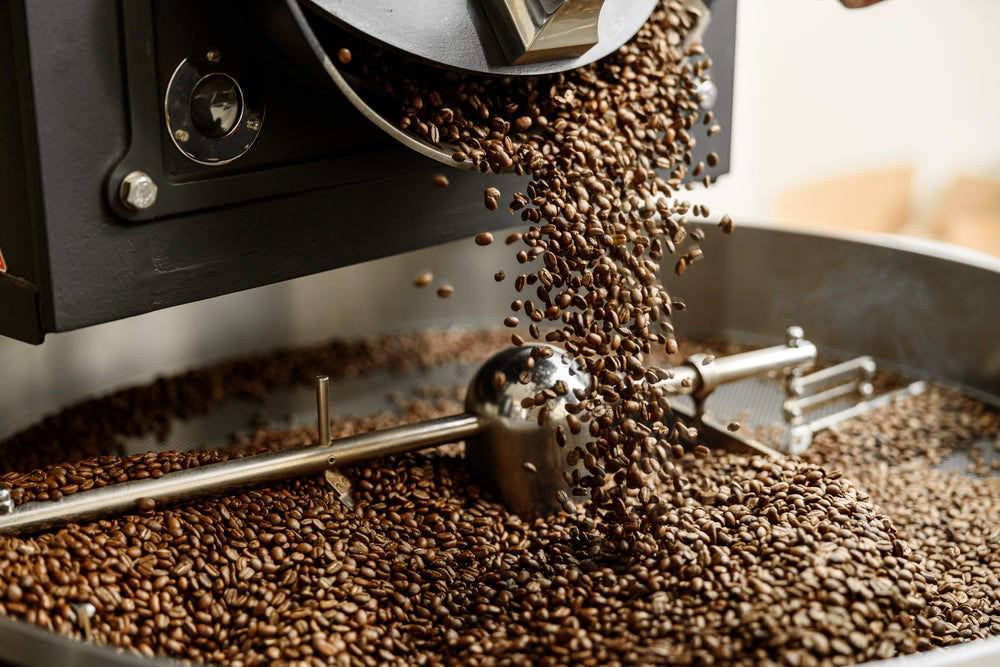
A coffee roast profile is the approach a roaster uses to guide a coffee through load size, time, temperature, and heat application. On paper, that may sound technical. In practice, it is about paying attention to the coffee and making decisions that bring out its best flavor.
Every Coffee Responds Differently
One of the first things I learned as a roaster is that you cannot treat every coffee the same.
A dense Guatemala Antigua coffee will respond differently to heat than a Sumatra coffee. A Kenya will not develop exactly like a Colombian coffee. Even the same coffee can behave a little differently from one harvest to the next.
Bean density, moisture, growing elevation, processing method, origin, and crop conditions all influence what happens inside the roaster. Yes, you can begin with a plan, but you still have to watch, listen, smell, and adjust.
That is why I have never believed in a one-size-fits-all approach to roasting. Every coffee deserves a roast profile that fits the coffee in front of you.
Roast Color Is Only Part of the Story
People often judge a coffee by how light or dark the beans look. Color tells you something, but it does not tell you everything. When customers ask, do you roast dark or light? I tell them I roast right.
I have roasted coffees that looked very similar and tasted completely different.
One might have a deep sweetness, full body, and flavors of chocolate and caramel. Another might taste flat or overly roasted because it was taken just a little too far or developed too quickly.
The real question is not simply, “How dark is this coffee?”
The better question is, “How well was the flavor developed?”
A thoughtful roast profile builds sweetness, aroma, body, and balance without losing the qualities that made the coffee interesting in the first place. Our guides to medium, medium-dark and dark roast coffee explains how these roast levels differ in the cup.
Small Adjustments Can Change the Cup
Coffee roasting is full of small decisions. You may apply a little more heat early in the roast. You may reduce the heat as the coffee approaches first crack. You may give the beans a little more time to develop, or you may decide they have reached the point where the flavors are exactly where you want them.
A small adjustment can change the sweetness, acidity, aroma, body, or finish.
That is part of what makes roasting so interesting. You are working with time and heat, but you are also working with experience and instinct.
Roasting equipment and technology can provide useful information, but they do not replace the roaster. A computer can record what happened during a batch. It cannot taste the coffee, understand what you were trying to achieve, or decide whether the result is truly satisfying. Those decisions come from roasting, tasting, adjusting, and doing it again.
A Roast Profile Is Not a Fixed Recipe
People sometimes think a roast profile is a recipe that can be followed exactly every time. It is more useful to think of it as a roadmap.
The destination may stay the same, but the route can require adjustments. Changes in ambient temperature, humidity, batch size, green coffee moisture, and equipment conditions can all affect the roast.
The roaster needs to recognize those changes and respond without losing sight of the desired flavor.
This is especially important when working with rare or limited coffees. Our hand-roasted Reserve Coffee guide explains why direct attention from an experienced roaster matters when developing small batches.
Consistency Is the Real Challenge
Roasting one exceptional batch of coffee is rewarding. However, roasting that coffee so it tastes exceptional again tomorrow, next month, and throughout the year is much harder.
Consistency has always mattered to me. When someone buys a favorite Weaver’s coffee, I want that person to recognize it when they brew it. The aroma, body, balance, and finish should be there every time.
That does not mean blindly repeating the same settings. Green coffee changes, weather conditions change and even equipment behaves differently as it heats up during the day.
Consistency comes from understanding which parts of the roast must remain steady and where thoughtful adjustments are needed. It is not about making every batch mechanically identical. It is about delivering the same experience in the cup.
Knowing When to Stop
One of the most important lessons in roasting is knowing when the coffee is ready. The best roast is not always the darkest roast. It is not automatically the lightest roast, either. The best roast is the one that allows the coffee to show its strongest qualities.
Sometimes that means protecting brighter fruit notes and a lively finish. Other times it means developing deeper sweetness, rich chocolate flavors, and a fuller body.
At Weaver’s, we specialize in medium roast coffee, medium-dark roast coffee, and dark roast coffee. Each roast level has a purpose, but the label alone does not determine quality. The coffee still needs balance, sweetness, structure, and a clean finish.
If you're trying to decide what coffee is right for you, I've put together a Best Coffee Beans Guide based on how you like your coffee and how you brew it.
My job as a roaster is not to force every coffee into the same style. It is to understand what the coffee can become and help it get there.
Tasting Is Part of Roasting
A roast profile is never finished just because the beans have left the roaster. You have to taste the result.
We cup coffees to evaluate aroma, sweetness, acidity, body, flavor, and finish. Then we use what we taste to decide whether the roast is working or needs refinement.
This is where the relationship between roasting and tasting becomes so important. You cannot improve a roast profile by looking only at a chart. The final judgment has to come from the cup.
Readers interested in developing their own palate can learn more in our guides to coffee cupping and the Coffee Taster’s Flavor Wheel.
What Millions of Pounds of Coffee Have Taught Me
After all these years, I do not believe great roasting is about showing how clever the roaster can be. It is about respecting the coffee. The coffee was grown, harvested, processed, dried, sorted, and transported before it ever arrived at our roastery. A great deal of work has already gone into it. My responsibility is to protect that work and develop the coffee with care.
Millions of pounds of roasting have taught me to pay attention, stay curious, and never assume I have seen everything a coffee can do.
Every harvest is a little different. Every batch gives you information. Every cup tells you whether the decisions you made were the right ones.
That is why I still love roasting coffee.
At Weaver’s Coffee & Tea, every roast profile reflects decades of experience, careful tasting, and constant refinement. The philosophy is simple: respect the coffee, roast it with purpose, and make every batch worthy of the person who will drink it.
Related Coffee Guides
- What Is Hand-Roasted Reserve Coffee?
- Medium, Medium-Dark, and Dark Roast Coffee Explained
- The Art of Coffee Cupping
- Exploring the Coffee Taster’s Flavor Wheel
- Discover the Art of Specialty Coffee
- Shop Freshly Roasted Coffee Beans
Subscribe
Sign up to get the latest on sales, new releases and more …