Menu

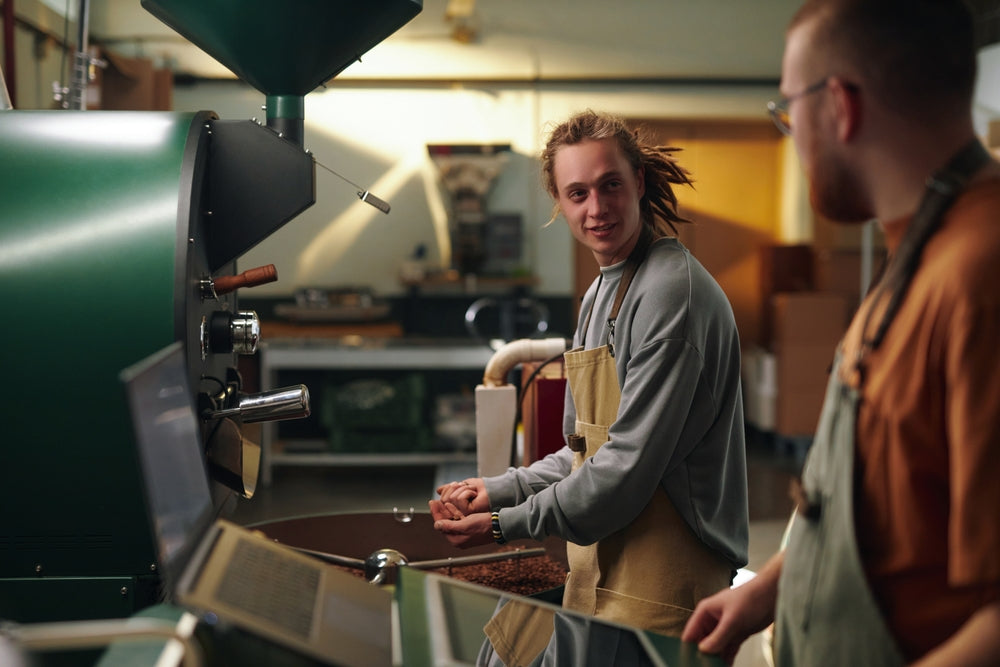

Why Medium and Dark Roast Coffee Define Craftsmanship
February 06, 2026 4 min read
Why Medium and Dark Roast Coffee Define Craftsmanship
Common questions this article answers:
- Is dark roast coffee lower quality?
- What is the best medium roast coffee for espresso?
- What’s the difference between light, medium, and dark roast coffee?
Medium and dark roast coffees emphasize caramelization, body, and consistency—qualities that define traditional craftsmanship and reliability in brewing, especially for espresso and milk-based drinks.
For deeper flavor, see our best strong coffee beans recommendations.
👉 Best Strong Coffee Beans Guide
The Ongoing Misconception About Dark Roast Coffee
In recent years, lighter roasts have dominated online coffee conversations. Social feeds, tasting notes, and coffee media often frame light roasts as the pinnacle of quality—bright, acidic, and expressive.
But outside the algorithm, the reality is different.
Most coffee drinkers still choose medium and dark roasts, not out of habit or lack of sophistication, but because these profiles deliver what matters every single day: balance, richness, and repeatability.
The idea that darker roasts are “lower quality” misunderstands what craftsmanship actually looks like in coffee.
Craftsmanship Is About Control, Not Color
At Weaver’s Coffee & Tea, medium and dark roasts are not a shortcut.
They are a discipline.
While lighter roasts often highlight origin character through minimal development, medium and dark roasts require greater precision, not less. As roast development increases, the margin for error narrows.
These roasts demand:
- Precise heat curves to unlock sweetness without tipping into bitterness
- Deep understanding of bean density and moisture content
- Tight batch-to-batch consistency, even at scale
Every additional second in the roaster matters. Every degree of heat must be intentional. Mistakes are easier to taste and harder to hide.
That level of control is craftsmanship.
Understanding the Difference Between Light, Medium, and Dark Roasts
To understand why medium and dark roasts endure, it helps to clarify what actually changes as coffee roasts darker.
Light Roast Coffee
- Brighter acidity
- Origin-forward flavors
- Less caramelization
- Lighter body
Medium Roast Coffee
- Balanced acidity and sweetness
- Chocolate, toasted sugar, and nut notes
- Fuller body without heaviness
- Exceptional versatility
Dark Roast Coffee
- Deep caramelization
- Lower perceived acidity
- Full-bodied mouthfeel
- Ideal for espresso and milk-based drinks
Medium and dark roasts don’t erase flavor, they reshape it, emphasizing structure, texture, and comfort over sharp intensity.
Why Medium Roast Is Ideal for Espresso
One of the most common questions we hear is: What’s the best medium roast coffee for espresso?
The answer lies in physics.
Espresso extraction happens under pressure, in a short time window. Medium roasts:
- Extract more evenly
- Produce richer crema
- Deliver chocolate-forward flavors that stand up to milk
This is why professional cafés rely on medium to medium-dark profiles. They are forgiving, consistent, and deeply satisfying, shot after shot.
Dark Roast and the Power of Consistency
Dark roast coffee, French Roast Coffee, plays a critical role in homes, cafés, and restaurants because it offers predictability.
In real-world brewing environments there are busy kitchens, offices, or early mornings and usually dark roasts:
- Reduce sharpness and sourness
- Provide bold flavor even with imperfect brewing
- Create a comforting, familiar cup
Consistency is not boring. It’s trust.
And trust is built over time, roast after roast.
Why These Roasts Still Dominate the Bay Area
Across cafés, restaurants, offices, and homes throughout the San Francisco Bay Area, medium and dark roasts remain the foundation of daily coffee service.
Not because they’re trendy, but because they work.
They perform reliably across:
- Espresso machines
- Drip brewers
- Batch brewing systems
- Milk-based drinks
When coffee needs to taste great every time, craftsmanship matters more than novelty.
Craft Is Proven Over Time
Medium and dark roast coffee doesn’t rely on hype or fleeting trends. It earns loyalty through repetition and by showing up the same way, cup after cup, year after year.
That is the quiet confidence of true craftsmanship.
Explore Weaver’s Coffee & Tea
Frequently Asked Questions About Medium & Dark Roast Coffee
Is dark roast coffee lower quality?
No. Dark roast coffee is not lower quality; it reflects a different roasting goal. High-quality dark roasts require precise heat control and deep roasting expertise to develop sweetness, body, and balance without bitterness. Poorly roasted coffee tastes bitter at any roast level.
Why do medium and dark roasts taste less acidic?
As coffee roasts longer, natural acids break down and sugars caramelize. Medium and dark roasts therefore taste smoother and rounder, with less sharp acidity and more body making them easier to enjoy daily and ideal for milk-based drinks.
What is the best roast level for espresso?
Medium to medium-dark roasts are best for espresso. They extract more evenly under pressure, produce richer crema, and deliver chocolate-forward flavors that hold up well to milk. This is why most professional cafés rely on these roast profiles.
What’s the difference between light, medium, and dark roast coffee?
The difference lies in roast development, not caffeine content or quality.
- Light roasts emphasize acidity and origin character
- Medium roasts balance sweetness, body, and clarity
- Dark roasts focus on caramelization, richness, and consistency
Each serves a different brewing purpose and flavor preference.
Does dark roast coffee have more caffeine?
No. Caffeine levels are relatively stable across roast levels. Differences in caffeine perception usually come from brewing method, grind size, and measurement by volume rather than roast color.
Why do cafés and restaurants prefer medium and dark roasts?
Because they are consistent and forgiving. Medium and dark roasts perform reliably across espresso machines, batch brewers, and varying skill levels—ensuring the coffee tastes good all day, every day.
Are medium and dark roasts better for drip coffee?
Yes, especially for daily brewing. Medium roasts provide balance and sweetness, while dark roasts deliver boldness and low acidity, both works well in drip machines and batch brewers commonly used at home and in offices.
Why does Weaver’s Coffee & Tea focus on medium and dark roasts?
Because craftsmanship shows up in consistency. Medium and dark roasts demand precision, discipline, and repeatability, and these are the qualities that define Weaver’s Coffee & Tea’s approach to roasting and long-term customer trust.
Subscribe
Sign up to get the latest on sales, new releases and more …