Menu

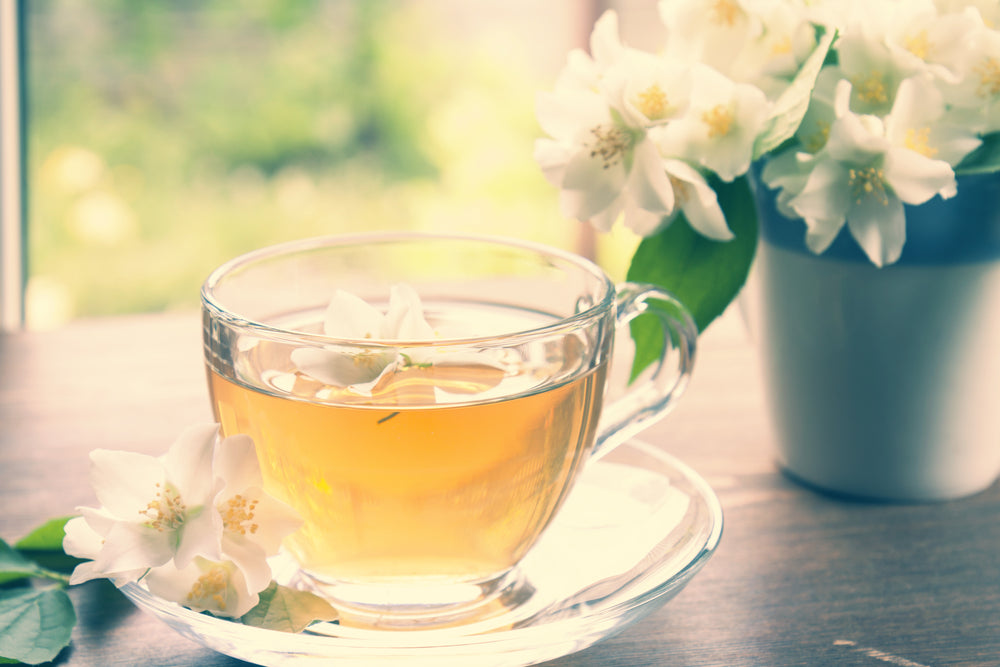

Jasmine Tea: Its Origins, Production, and Health Benefits
June 10, 2023 6 min read
Jasmine Tea: Benefits, Flavor, Caffeine & How It's Made
Jasmine tea is a scented tea known for its distinctive floral aroma and smooth, refreshing character. It is commonly made by scenting green tea with jasmine blossoms, allowing the tea leaves to absorb the flowers' natural fragrance.
At Weaver's Coffee & Tea, our Jasmine Tea begins with premium hand-rolled green tea pearls that are naturally scented with fresh jasmine blossoms over nine consecutive nights. The result is an elegant jasmine green tea with gentle sweetness, fresh green tea character and a clean, lingering finish.
If you're wondering what jasmine tea tastes like, whether jasmine tea has caffeine, when to drink it or how it's made, here's what to know.
What Is Jasmine Tea?
Jasmine tea is a scented tea rather than a separate variety of tea plant. Its characteristic floral aroma comes from jasmine blossoms used to scent the underlying tea.
Green tea is a common base for jasmine tea. Weaver's Jasmine Tea is made with premium hand-rolled green tea pearls, which provide the fresh green tea character underneath its jasmine aroma.
The quality and character of jasmine tea can vary depending on the tea base, the scenting process and how the finished tea is brewed.
What Does Jasmine Tea Taste Like?
Jasmine tea typically combines the character of its base tea with a pronounced floral aroma from jasmine blossoms.
Weaver's Jasmine Tea has a delicate floral bouquet with smooth green tea character, gentle vegetal notes and light natural sweetness. Its finish is clean and silky, with the jasmine fragrance lingering after each sip.
The floral character is aromatic without overwhelming the underlying green tea.
Importantly, the jasmine character in Weaver's Jasmine Tea does not come from artificial flavoring. Our tea is naturally scented with fresh jasmine blossoms over nine consecutive nights.
What Are the Benefits of Jasmine Tea?
Questions about jasmine tea benefits often overlap with questions about green tea because many jasmine teas, including Weaver's, use green tea as their base.
Green tea contains naturally occurring compounds called polyphenols as well as caffeine and other components. These compounds have been extensively studied, but research does not support treating a cup of jasmine green tea as a remedy or making broad promises about specific health outcomes.
The National Center for Complementary and Integrative Health notes that although many studies have investigated green tea and green tea extracts, firm conclusions cannot yet be reached for many of the health purposes for which green tea is promoted.
That's an important distinction. Research involving green tea, concentrated green tea extracts or individual compounds should not automatically be interpreted as evidence that drinking a particular jasmine tea will produce the same effects.
For us, the strongest reasons to choose Jasmine Tea are much simpler: its beautiful natural aroma, smooth green tea character and distinctive traditional scenting process.
Does Jasmine Tea Have Caffeine?
Yes. Weaver's Jasmine Tea contains natural caffeine because it is made with green tea.
We describe it as having a moderate level of natural caffeine. The precise amount in a prepared cup can vary with factors such as the amount of tea used and brewing method, so we don't assign a specific caffeine number without product-specific testing.
If you are sensitive to caffeine, keep that in mind when deciding when to enjoy jasmine green tea.
When Is the Best Time to Drink Jasmine Tea?
There is no single best time to drink jasmine tea. The best time depends on your routine, taste and sensitivity to caffeine.
Jasmine Tea can be a refreshing choice in the morning, while its smooth floral character also makes it particularly enjoyable as an afternoon tea. It can be served hot or chilled over ice.
Because Weaver's Jasmine Tea is made with green tea and contains natural caffeine, people who are particularly caffeine-sensitive may prefer to enjoy it earlier in the day rather than close to bedtime.
Ultimately, the best time to drink jasmine tea is whenever its floral aroma and smooth green tea character fit naturally into your day.
Where Does Jasmine Tea Come From?
Jasmine tea has a long association with Chinese tea culture, where the practice of scenting tea with aromatic flowers developed into a distinctive style of tea production.
The defining idea is simple but requires considerable skill: use fragrant jasmine blossoms to impart their aroma to finished tea while preserving the character and balance of the tea itself.
For today's tea drinker, understanding that process is more useful than simply thinking of jasmine as a "flavor." Properly scented jasmine tea brings together the aroma of the blossoms and the character of the underlying tea.
How Is Jasmine Tea Made?
The scenting process is what transforms green tea into jasmine green tea.
Fresh jasmine blossoms release their fragrance, and tea leaves placed in contact with the blossoms absorb those aromatic compounds. Depending on the tea and producer, scenting may be repeated to develop greater depth and persistence of aroma.
How Weaver's Jasmine Tea Is Scented
Weaver's starts with premium hand-rolled green tea pearls.
Fresh jasmine blossoms are layered with the tea each evening as the flowers release their delicate fragrance. The following day, the blossoms are gently removed.
That evening, the process begins again with fresh jasmine blossoms.
We repeat this process for nine consecutive nights.
This gradual scenting allows the green tea pearls to develop an elegant floral aroma naturally while maintaining their smooth green tea character and gentle sweetness.
There is no artificial flavoring used to create the jasmine character.
How to Brew Jasmine Tea
Jasmine green tea rewards gentle brewing. Water that is too hot or an excessively long steep can overpower some of the delicate qualities that make the tea enjoyable.
How to Make Hot Jasmine Tea
For Weaver's Jasmine Tea:
-
Heat fresh water to 170–175°F.
-
Add your Jasmine Tea.
-
Steep for 2–3 minutes.
-
Strain if using loose leaf tea and enjoy.
This lower water temperature helps preserve the delicate jasmine aroma and smooth character of the green tea.
How to Make Iced Jasmine Tea
Jasmine Tea is also excellent over ice.
Prepare a slightly stronger infusion using the same gentle brewing approach, then chill the tea and pour it over ice. The result is a refreshing iced green tea with an aromatic floral character and clean finish.
Loose Leaf Jasmine Tea or Jasmine Tea Bags?
Both can make an excellent cup, so the better choice depends primarily on how you prefer to prepare your tea.
Loose leaf Jasmine Tea is ideal for tea drinkers who enjoy measuring and steeping their own tea. Weaver's offers loose leaf Jasmine Tea in 4 oz and 1 lb packages.
Jasmine Tea bags offer an easy, convenient way to prepare a cup without measuring loose tea. Weaver's Jasmine Tea is also available in 25-count tea bags.
Whichever format you choose, follow the recommended water temperature and steeping time to get the best balance of floral aroma and green tea character.
How to Choose a Jasmine Tea
When choosing jasmine tea, look beyond the word "jasmine" on the package. Consider the base tea, scenting method, aroma, balance, freshness and brewing recommendations.
A good jasmine tea should allow you to taste the underlying tea as well as experience the jasmine fragrance. Floral aroma should complement the cup rather than obscure everything underneath it.
Weaver's Jasmine Tea combines premium hand-rolled green tea pearls with fresh jasmine blossoms through a nine-night natural scenting process. The finished tea offers delicate floral aroma, gentle sweetness, fresh green tea character and a clean, lingering finish.
It is available as both loose leaf tea and convenient tea bags.
Jasmine Tea FAQs
Is jasmine tea green tea?
Jasmine tea is a scented tea and can be made with different tea bases. Weaver's Jasmine Tea is jasmine green tea, made from premium hand-rolled green tea pearls naturally scented with fresh jasmine blossoms.
Does jasmine tea have caffeine?
Yes. Weaver's Jasmine Tea contains natural caffeine because its base is green tea. We describe it as having a moderate amount of natural caffeine.
What does jasmine tea taste like?
Weaver's Jasmine Tea is floral, smooth and lightly sweet, with fresh green tea character, gentle vegetal notes and a clean, silky finish. Its jasmine aroma comes naturally from fresh blossoms rather than artificial flavoring.
Enjoy Jasmine Tea Hot or Iced
Jasmine tea brings together two distinctive elements: the fresh character of green tea and the elegant fragrance of jasmine blossoms.
Weaver's Jasmine Tea takes that relationship further through a nine-night natural scenting process, layering fresh jasmine blossoms with premium hand-rolled green tea pearls night after night.
Brew it gently at 170–175°F for 2–3 minutes and enjoy it hot, or prepare a stronger infusion and serve it over ice for a refreshing floral tea.
Subscribe
Sign up to get the latest on sales, new releases and more …