Menu

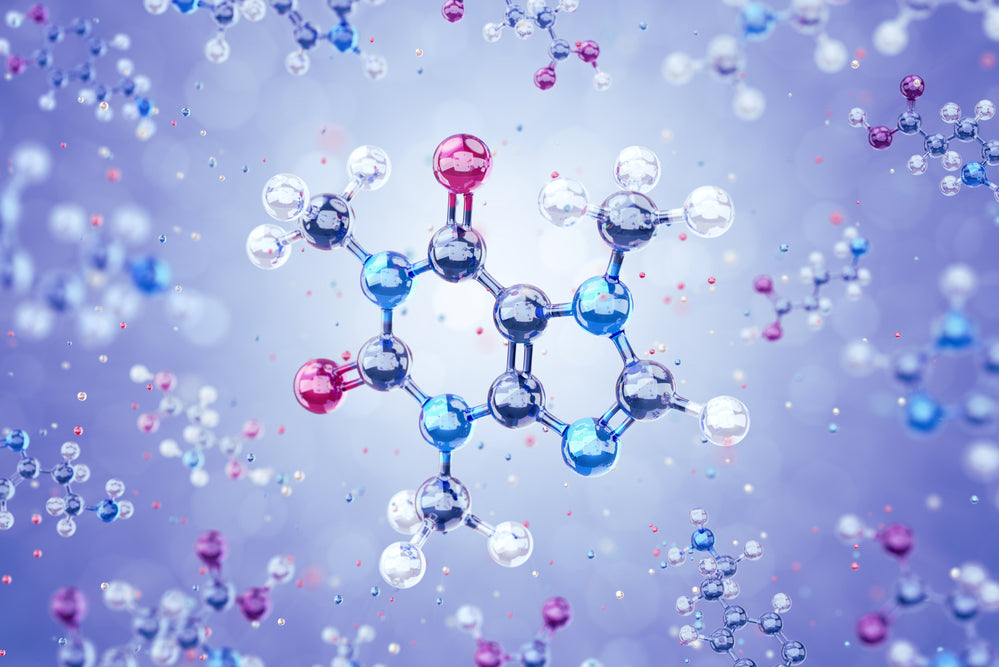

How Caffeine Works on the Body
September 29, 2023 6 min read
How Caffeine in Coffee Works
Caffeine in coffee works mainly by blocking the effects of adenosine, a chemical messenger in the brain that helps promote sleepiness. When caffeine reaches the brain and binds to adenosine receptors, adenosine has less opportunity to signal that you are tired. The result is the increased alertness and wakefulness many people associate with drinking coffee.
After you drink coffee, caffeine is absorbed into the bloodstream and distributed throughout the body, including the brain. It is then metabolized primarily in the liver and gradually eliminated from the body. How quickly this happens varies from person to person
What Is Caffeine in Coffee?
Caffeine is a naturally occurring compound found in coffee beans and many other plants. In coffee, it acts as a stimulant that affects the central nervous system, which is why drinking coffee can help you feel more awake and alert.
The amount of caffeine in a cup of coffee can vary depending on the coffee, serving size, and brewing method. However, how much caffeine is in coffee is a different question from how caffeine works once you drink it.
For a detailed comparison of caffeine amounts by coffee type, see our guide to How Much Caffeine Is in Coffee?
How Does Caffeine in Coffee Work in the Body?
After you drink coffee, caffeine is absorbed into the bloodstream and travels throughout the body, including to the brain. Because caffeine can cross the blood-brain barrier, it can affect the central nervous system relatively quickly.
In the brain, caffeine works primarily by blocking adenosine receptors. Adenosine is a naturally occurring chemical messenger that builds up while you are awake and contributes to feelings of tiredness. Caffeine has a similar enough structure to bind to these receptors, but instead of activating them, it blocks adenosine from producing its normal effects.
With adenosine signaling temporarily reduced, you may feel more awake, alert, and able to concentrate. Caffeine does not actually provide the body with energy; rather, it temporarily reduces one of the signals that helps tell your brain you are tired.
As caffeine is processed and eliminated from the body, its effects gradually wear off and adenosine can once again bind normally to its receptors.
How Is Caffeine Absorbed?
After you drink coffee, caffeine is absorbed primarily through the gastrointestinal tract and enters the bloodstream. From there, it circulates throughout the body and can reach the brain.
Caffeine is absorbed relatively quickly, which is why its effects may begin to be noticeable not long after drinking coffee. Blood caffeine levels generally peak within about 30 to 60 minutes, although timing can vary depending on the person and other factors.
Once caffeine is in the bloodstream, the body begins processing it, primarily in the liver. This leads to the next part of the process: caffeine metabolism and how the body breaks caffeine down.
How Is Caffeine Metabolized?
Once caffeine has done its work, your body begins breaking it down. Most caffeine is metabolized in the liver, where enzymes convert it into compounds that are eventually cleared from the body.
For coffee drinkers, the important point is that caffeine does not disappear as soon as you finish your cup. It stays in your system for hours, which is why a coffee enjoyed later in the day can still affect how alert you feel well into the evening.
How quickly caffeine is metabolized varies from person to person. Genetics, medications, pregnancy, smoking, and other individual factors can all influence how long caffeine remains in the body.
This is also why two people can drink the same coffee brewed the same way and experience the caffeine differently. The coffee determines how much caffeine goes into the cup, but your body determines how quickly that caffeine is processed.
What Does Caffeine Break Down Into?
When your liver metabolizes caffeine, it breaks most of it down into three primary compounds: paraxanthine, theobromine, and theophylline. Paraxanthine accounts for most of this metabolism, while smaller amounts become theobromine and theophylline.
These compounds are further processed before eventually being eliminated from the body, primarily through urine.
For coffee drinkers, the practical takeaway is simple: your body continues processing caffeine long after the last sip of coffee. The caffeine in your cup does not leave your system all at once, which helps explain why the effects of coffee can last for several hours.
How long those effects last depends largely on how quickly your individual body processes caffeine.
How Long Does Caffeine Stay in Your System?
Caffeine can remain in your body for hours after you finish a cup of coffee. In healthy adults, caffeine has an average half-life of about five hours, meaning roughly half of the caffeine consumed may still be in the body five hours later. The actual timing can vary considerably from person to person.
For example, if you drink a coffee containing 100 mg of caffeine, roughly 50 mg could remain in your system about five hours later. That does not mean you will feel the caffeine's effects at the same intensity for five hours, but it illustrates why the timing of your coffee matters.
This is something experienced coffee drinkers learn quickly. A beautifully brewed afternoon coffee may taste just as inviting as your morning cup, but the caffeine does not know what time it is. If caffeine affects your sleep, moving that last cup earlier in the day may be more useful than changing the coffee itself.
The amount of caffeine in the cup matters, but how quickly your body metabolizes caffeine determines how long it stays in your system.
Does Caffeine Build Up in Your System?
For most healthy adults, caffeine does not simply keep accumulating in the body. Your liver begins metabolizing caffeine after you consume it, while the remaining caffeine is gradually cleared over time.
However, because caffeine can remain in the body for several hours, drinking additional coffee before an earlier dose has been fully processed can overlap the caffeine in your system. That is why several cups spread across the day may feel different from a single morning cup.
How much caffeine remains depends on how much you consume, how frequently you drink coffee, and how quickly your body metabolizes caffeine.
Frequently Asked Questions About Caffeine in Coffee
What does caffeine do in the body?
Caffeine primarily works by blocking adenosine receptors in the brain. This temporarily reduces the effects of adenosine, a chemical messenger associated with sleepiness, which can make you feel more awake and alert.
Where is caffeine absorbed?
Caffeine is absorbed through the gastrointestinal tract and enters the bloodstream, allowing it to circulate throughout the body and reach the brain.
How quickly does caffeine work?
Caffeine begins being absorbed soon after you drink coffee, with blood levels generally reaching their peak within about 30 to 60 minutes. The timing and noticeable effects can vary from person to person.
Does caffeine give you energy?
Not in the same way that calories provide energy. Caffeine is a stimulant. By blocking adenosine receptors, it can reduce feelings of tiredness and increase alertness.
How long does caffeine last?
Caffeine has an average half-life of about five hours in healthy adults, although it varies considerably among individuals. This means caffeine from an afternoon cup of coffee may still be in your system later in the day.
Does your body naturally produce caffeine?
No. The human body does not produce caffeine. Caffeine occurs naturally in plants including coffee, tea, and cacao and enters the body through foods and beverages that contain it.
Understanding the Caffeine in Your Cup
Caffeine is one part of what makes coffee such a distinctive drink. From the moment you take your first sip, caffeine is absorbed into the bloodstream, reaches the brain, and is eventually metabolized by the liver.
But the experience of drinking coffee is about much more than caffeine. Coffee variety, roast, grind, brewing method, freshness, and the amount of coffee used all shape the cup you ultimately enjoy.
If your next question is how much caffeine your coffee contains, read our guide to How Much Caffeine Is in Coffee? For choosing coffee itself, explore our coffee beans collection.
Subscribe
Sign up to get the latest on sales, new releases and more …